
What if I told you that the journey to postpartum recovery can be significantly enhanced by focusing on one essential area of your body? Emphasizing core stability is crucial for new mothers as it not only supports physical healing but also boosts confidence in daily activities with your little one. Let’s delve into the key insights that can empower you throughout this transformative phase.
What You Will Learn
- Core stability is essential for postpartum recovery, enhancing overall strength and reducing the risk of injury.
- Engaging in core stability exercises improves pelvic floor strength, aiding in bladder control and reducing pelvic pain.
- Implementing beginner-friendly exercises like pelvic tilts and bridges can help ease you back into movement safely.
- Activities like Pilates and yoga promote core strength while also encouraging mindfulness and flexibility during recovery.
- Creating a personalized core stability plan tailored to your unique postpartum needs can significantly enhance your recovery experience.
- Using fitness apps and online workouts provides flexible scheduling, accessibility to specialized programs, and a supportive community for new mothers.
- Consistency and patience are vital; embrace the recovery journey and celebrate small milestones along the way.
Benefits of Core Stability Exercises for New Mothers
Engaging in core stability exercises offers several key advantages for postpartum recovery. For a comprehensive guide on healing after childbirth, you can refer to our detailed resource on healing after childbirth.
Improved Pelvic Floor Strength
Strengthening the core enhances pelvic floor function, essential for bladder control and overall pelvic health.
Support for Diastasis Recti Management
Targeted core exercises aid in managing and potentially healing the separation of abdominal muscles after childbirth.
Enhanced Overall Fitness
A strong core provides a solid foundation for all movements, making daily activities with your little one easier.
Empowering Postpartum Recovery Through Core Stability Exercises
Understanding Core Stability and Its Importance
As new mothers, we often discover that our bodies have changed in ways we never expected. One crucial aspect of postpartum recovery is core stability. This refers to the strength and balance of the muscles that support our spine and pelvis. Core stability is particularly important after childbirth, as it helps us regain control over our bodies and function in our daily lives.
When we think about core stability, it’s not just about having a flat stomach; it’s about improving our overall strength and function. A strong core can make movements easier and reduce the risk of injury. It also plays a vital role in supporting our pelvic floor, which has gone through significant changes during pregnancy and delivery.
The Benefits of Core Stability Exercises for New Mothers
Engaging in core stability exercises can bring a host of benefits for new mothers. Here are some key advantages:
- Improved pelvic floor strength: Strengthening the core often leads to enhanced pelvic floor function, which is essential for bladder control and overall pelvic health. For more information on this, check out our guide on postpartum pelvic floor rehab techniques.
- Support for diastasis recti management: Many women experience a separation of the abdominal muscles after childbirth, known as diastasis recti. Targeted core exercises can help manage and potentially heal this condition.
- Enhanced overall fitness: A strong core provides a solid foundation for all movements, making it easier to engage in daily activities with your little one.
By focusing on core stability, we empower ourselves to reclaim our bodies and feel more confident as we navigate motherhood. It’s a journey worth embracing!
The Role of Pelvic Floor Muscles in Recovery
The pelvic floor muscles are often overlooked, yet they play a major role in our postpartum recovery. These muscles support our bladder, rectum, and uterus, and they also contribute to our core stability. After childbirth, it’s essential to strengthen these muscles to prevent issues like incontinence and pelvic pain.
Here’s why pelvic floor muscles are so crucial:
- They stabilize your core: A strong pelvic floor works hand-in-hand with your abdominal muscles to create overall core stability.
- They support postural alignment: Proper pelvic floor function helps improve posture, which can be a challenge for many new moms.
- They enhance sexual health: Strengthening these muscles can lead to improved intimacy and sexual satisfaction.
At Empowered Post-Birth Recovery, we believe in a holistic approach to healing that recognizes the interconnectedness of our bodies. Emphasizing pelvic floor health is a fundamental step in your postpartum journey!
Core Stability Exercises Tailored for Postpartum Recovery
Beginner-Friendly Core Strengthening Exercises
If you’re ready to start your core strengthening journey, here are a few beginner-friendly exercises to consider:
- Pelvic tilts: Lie on your back with your knees bent. Gently tilt your pelvis up towards your belly button, then lower back down. This simple movement engages your core and strengthens your pelvic floor.
- Bridges: Lying on your back, bend your knees and place your feet flat on the ground. Lift your hips towards the ceiling while squeezing your glutes. Hold for a few seconds, then lower back down. Bridges are fantastic for activating both the core and pelvic floor.
These exercises are gentle yet effective, allowing you to ease back into movement while focusing on your recovery. Remember, listen to your body, and take it slow! For more exercises and guidance, read our article on postpartum abdominal repair exercises.
Intermediate and Advanced Routines for Enhanced Stability
Once you feel comfortable with the basics, it’s time to progress! Here’s how you can move from beginner to intermediate and advanced routines:
- Plank variations: Start with a modified plank on your knees, then progress to a full plank as you build strength.
- Bird-dog: From a tabletop position, extend your right arm and left leg simultaneously, then switch. This exercise challenges your balance and core stability.
- Leg raises: Lying on your back, lift your legs while keeping your core engaged. This helps strengthen the lower abdominal muscles.
By gradually increasing the difficulty of your exercises, you’ll continue to challenge your body and enhance your core stability. It’s about celebrating progress, however small!
Incorporating Pilates and Yoga for Core Stability
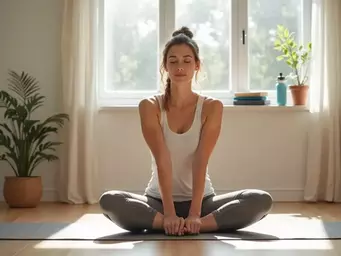
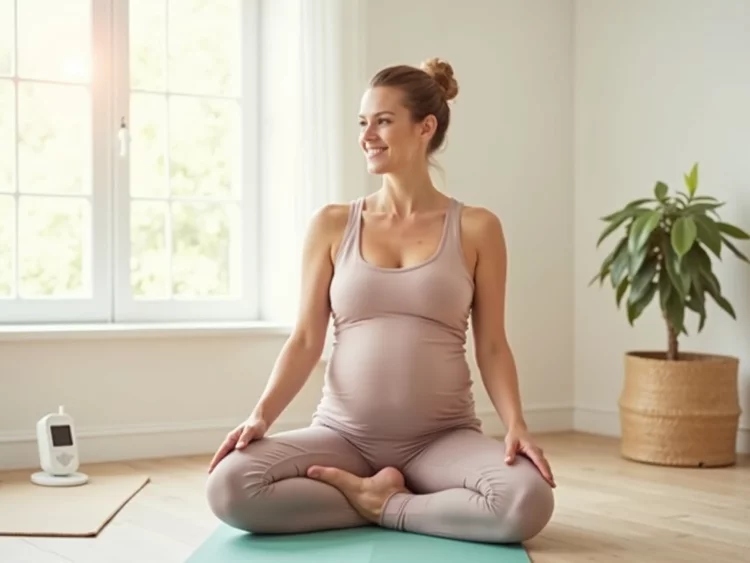
Many new mothers find that incorporating Pilates and yoga into their routines can significantly enhance core strength and stability. Both practices focus on controlled movements and breath, making them perfect for postpartum recovery.
Here’s how you can integrate them into your routine:
- Pilates: Focuses on core engagement and pelvic floor awareness through various exercises that promote strength without straining.
- Yoga: Offers flexibility and mindfulness, which can help reduce stress and improve overall well-being—all while strengthening your core.
At Empowered Post-Birth Recovery, we encourage you to find joy in movement! Whether it's a gentle yoga class or a Pilates session, these practices can be a wonderful addition to your healing process.
We Want to Hear From You!
As you embark on your postpartum recovery journey, what challenges or successes have you experienced with core stability exercises? Share your thoughts below:
Encouraging Continued Engagement in Postpartum Recovery
As you embark on your postpartum recovery journey, it’s important to stay engaged and committed to your core stability exercises. I believe that crafting a personalized plan can make a significant difference in your recovery experience. Whether you had a C-section or a vaginal delivery, tailoring your exercise routine to fit your unique needs is key. Let’s explore how to create a plan that works for you!
Next Steps: Crafting Your Personalized Core Stability Plan
Creating a personalized core stability plan involves understanding your body and its needs. Start by considering the following:
- Assess Your Recovery: Reflect on how your delivery type and any complications may impact your core recovery.
- Set Clear Goals: Think about what you want to achieve. This might include improving core strength, reducing discomfort, or feeling more confident in movement.
- Choose Exercises Wisely: Select exercises that align with your current fitness level and recovery status. Start slow and gradually increase intensity.
- Schedule Your Workouts: Consistency is crucial! Aim to set aside specific times each week dedicated to your core exercises.
Remember, it's okay to adjust your plan as you progress! Listening to your body is essential. If you're unsure where to start, don’t hesitate to reach out to a specialist at Empowered Post-Birth Recovery for guidance tailored to your unique situation.
FAQs About Core Stability Exercises for Postpartum Recovery
Many new mothers have questions about their postpartum exercise routines. Here are some common queries I often hear:
- When can I start exercising? It’s best to consult with a healthcare provider, but many women can begin gentle exercises within days of delivery.
- How do I know which exercises are effective? Focus on exercises that engage the core gently without causing pain, like pelvic tilts and bridges.
- Can I modify exercises for my level? Absolutely! Adjustments are often necessary. Listen to your body and progress at your own pace.
- What if I experience discomfort? Stop immediately and consult a professional. Pain is a signal that something may not be right.
- How long does it take to regain core strength after childbirth? Recovery timelines vary greatly depending on individual factors like delivery type, pre-pregnancy fitness, and consistency with exercises. It's a journey, not a race, so focus on gradual progress and listen to your body.
- Are there specific exercises to avoid with diastasis recti? Yes, it's generally recommended to avoid exercises that put excessive strain on the abdominal muscles, such as traditional crunches, sit-ups, and planks, until you've consulted with a professional and received guidance on appropriate modifications.
- Can core stability exercises help with back pain? Absolutely! A strong core provides better support for your spine, which can significantly reduce postpartum back pain. Consistency in performing these exercises can lead to long-term relief.
- How often should I do core stability exercises? For beginners, aiming for 10-15 minutes, 3-5 times a week, is a good starting point. As your strength improves, you can gradually increase the duration and intensity of your workouts.
Having these answers can help ease your mind and encourage you to take those first steps in your recovery journey! If you're looking for more guidance on returning to exercise safely, take a look at our postpartum exercise return guidelines.
Using Fitness Apps and Online Workouts
In today’s tech-savvy world, using fitness apps and online workouts can be a game-changer for your postpartum recovery! Here’s how they can benefit you:
- Flexibility: Work out on your schedule! Whether it’s during nap time or when your partner is home, you decide when to exercise.
- Accessibility: Find programs specifically designed for postpartum recovery, like those offered by Empowered Post-Birth Recovery.
- Community Support: Some platforms allow you to connect with fellow new moms for encouragement and accountability!
- Variety: Explore different types of workouts that suit your mood, from Pilates to gentle yoga.
With the right tools at your fingertips, continuing your postpartum exercise routine can feel less daunting and more enjoyable!
Final Thoughts on Postpartum Core Stability and Recovery
Emphasizing the Importance of Consistency and Patience
As I’ve mentioned throughout this article, the journey to postpartum recovery is not a sprint—it’s a marathon! Embrace the process and celebrate your progress, no matter how small. Remember to be patient with yourself, as healing takes time. Focus on consistency, and soon enough, you’ll begin to feel stronger and more like yourself again! For additional support and tips, explore our resources on vaginal birth recovery for moms.
Call to Action: Share Your Recovery Journey
I would love to hear about your experiences! Sharing your recovery journey can not only empower you but also inspire others in our community. Join discussions, share your successes, and don’t hesitate to seek support. Remember, at Empowered Post-Birth Recovery, we’re all about fostering a supportive community for new mothers. Let’s uplift one another as we navigate this beautiful, albeit challenging, chapter of life!
Recap of Key Points
Here is a quick recap of the important points discussed in the article:
- Core Stability Importance: Core stability is crucial for new mothers to regain control over their bodies post-childbirth and support pelvic floor health.
- Benefits of Core Exercises: Engaging in core stability exercises improves pelvic floor strength, aids in managing diastasis recti, and enhances overall fitness.
- Pelvic Floor Muscles: Strengthening pelvic floor muscles is essential for bladder control, posture, and sexual health during postpartum recovery.
- Beginner Exercises: Start with beginner-friendly exercises like pelvic tilts and bridges to ease back into movement safely.
- Progression to Advanced Routines: Gradually incorporate intermediate and advanced exercises like plank variations and bird-dogs for enhanced core stability.
- Incorporating Pilates and Yoga: Both practices can significantly improve core strength while promoting relaxation and mindfulness during recovery.
- Personalized Core Stability Plan: Assess your recovery, set clear goals, choose appropriate exercises, and schedule workouts to stay committed to your recovery journey.
- Utilizing Fitness Technology: Fitness apps and online workouts offer flexibility, accessibility, and community support for postpartum exercise routines.