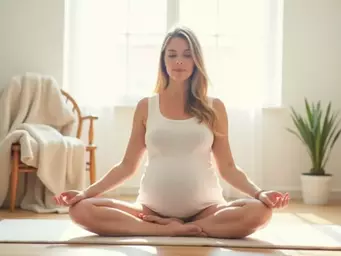

Yoga can be a transformative tool for new mothers, offering not just physical recovery but also emotional support during the postpartum period. As you embark on this journey, consider how integrating postnatal yoga into your routine can enhance your healing and well-being.
What You Will Learn
- Yoga aids in physical rehabilitation by strengthening the pelvic floor, core, and back.
- Engaging in yoga enhances mental health, helping to ease anxiety and mood swings postpartum.
- Practicing yoga creates opportunities for emotional bonding with your baby through gentle movements.
- Gentle yoga can address common postpartum challenges such as pelvic pain and diastasis recti.
- Establish a supportive environment by involving family and partners in your yoga practice.
- Nourishing your body with a balanced diet complements your yoga practice for optimal recovery.
- Connecting with a community through classes or online forums enriches your postnatal journey.
- Consulting with healthcare providers is essential before starting any new exercise routine after childbirth.
Benefits of Postnatal Yoga for Recovery
Key benefits of practicing postnatal yoga that facilitate both physical and mental recovery can be seen in the following visual representation:
Enhances Physical Rehabilitation
Yoga poses strengthen pelvic floor, core, and back, aiding in recovery.
Boosts Mental Health
Meditative aspects of yoga help ease anxiety and postpartum mood swings.
Encourages Connection with Baby
Practicing yoga fosters bonding through gentle movements and stretches.
Addresses Common Postpartum Challenges
Yoga can alleviate pelvic pain, assist with diastasis recti, and help manage emotional struggles.
Understanding the Essence of Postnatal Yoga for Recovery and Relaxation
Yoga can be a wonderful tool for new mothers on their journey to recovery. At Empowered Post-Birth Recovery, we understand that the postpartum period is not just about physical healing but also about mental wellness. By incorporating yoga into your daily routine, you can find a sense of calm amidst the chaos of motherhood, helping you reconnect with your body and mind after childbirth. For further guidance on your recovery journey, explore our comprehensive healing after childbirth guide.
Let’s dive into how yoga plays a vital role in postpartum recovery. Not only does it promote physical strength and flexibility, but it also nurtures emotional stability. Practicing yoga can help you to cultivate mindfulness and reduce stress, making it an essential part of your self-care regimen during this transformative time.
The Importance of Yoga in Postpartum Recovery
Yoga serves as a bridge to emotional and physical wellness after childbirth. Here are a few key reasons why integrating yoga into your recovery is so important:
- Enhances Physical Rehabilitation: Yoga poses can help strengthen your pelvic floor, core, and back, aiding in recovery.
- Boosts Mental Health: The meditative aspects of yoga can help ease anxiety and postpartum mood swings.
- Encourages Connection: Practicing yoga can be a beautiful way to bond with your baby, especially through gentle movements and stretches.
Remember, at Empowered Post-Birth Recovery, we believe that each mother’s journey is unique. Yoga offers a tailored approach to recovery that can adapt to your personal needs and experiences.
Supporting Physical and Mental Wellness Through Yoga
Postnatal yoga is not just about the physical aspects; it’s about nurturing your overall well-being. When you practice yoga, you engage in movements that promote circulation, reduce tension, and enhance core strength. This is particularly beneficial for new mothers who may be experiencing physical discomfort after childbirth. If you're looking for additional ways to support your healing, consider exploring resources on vaginal birth recovery for moms.
Moreover, focusing on your breath and mindfulness during yoga sessions can significantly boost your mental health. You might find yourself feeling more relaxed and in control as you navigate the ups and downs of motherhood. So, take a moment to breathe deeply and connect with your body—it’s a vital part of the healing process.
Addressing Common Postpartum Challenges
Many new mothers face unique challenges during the postpartum period. Here are some common issues yoga can help address:
- Pelvic Pain: Gentle stretches can alleviate discomfort and promote healing.
- Diastasis Recti: Specific poses can aid in rebuilding core strength.
- Emotional Struggles: Mindfulness and meditation can help manage feelings of anxiety and sadness.
Recognizing these challenges is the first step. By incorporating yoga into your daily routine, you can effectively navigate your recovery while prioritizing both your physical and mental well-being. Trust me, every little step counts!
Timeline for Starting Yoga After Childbirth
Knowing when to start yoga can be confusing. At Empowered Post-Birth Recovery, we suggest a gentle timeline to guide you through your yoga practice after childbirth. This way, you can ease into it without feeling overwhelmed.
Immediate Postpartum Phase (Weeks 0-6)
In the first six weeks, your body is going through significant changes. It’s essential to prioritize rest and gentle movements. Focus on breathing exercises and very light stretches, like head rolls or wrist circles. These can help ease tension without putting too much strain on your body.
Rebuilding Strength (Weeks 6-12)
After the initial recovery, you can start introducing more structured yoga practices. Consider joining a postnatal yoga class, as it’s designed specifically for new mothers. Focus on poses that help strengthen your core and pelvic floor, while still listening to your body's cues.
Advanced Recovery (12+ Weeks Post-Delivery)
Once you reach the three-month mark, you can start exploring more advanced poses and sequences. This is the time to deepen your practice and perhaps even join a community of fellow mothers who share similar experiences. Engaging in a supportive environment can enhance your motivation and commitment to recovery.
Yoga is a journey, and each mother’s timeline will look different. Remember to embrace your own pace and enjoy the process! After all, it’s about celebrating your body’s remarkable recovery journey. For detailed guidance on specific exercises, check out our pelvic floor rehab exercises post-birth.
Pro Tip
Did you know that incorporating mindfulness into your postnatal yoga practice can significantly enhance your recovery? Taking just a few moments to focus on your breath and being present in the moment can help reduce stress and improve your overall emotional well-being. Try integrating mindfulness techniques, such as setting intentions for your practice or engaging in guided meditations, to deepen your connection with yourself and your body during this transformative time.
Building a Supportive Environment for Postnatal Yoga Practice
Creating a nurturing environment for your postnatal yoga practice is key to successful recovery. At Empowered Post-Birth Recovery, we believe that having a supportive network can make all the difference in your journey. Surrounding yourself with understanding family and friends encourages both motivation and accountability, making the transition back to wellness smoother and more enjoyable.
It’s not just about the yoga mat; it’s about who shares that space with you! Engaging your loved ones in your practice can help strengthen those bonds while also reminding you that you're not in this alone. Let’s explore how to bring your family into your yoga sessions.
Encouraging Family and Partner Involvement
Incorporating family and partners into your yoga practice can be both fun and beneficial. Here are some creative ways to engage them:
- Partner Yoga: Try poses that require teamwork, like a seated forward fold where your partner holds your hands while you stretch.
- Family Yoga Sessions: Make it a family affair! Set aside time to practice yoga together, possibly even turning it into a weekly ritual.
- Incorporate Play: If you have children, use playful poses that involve them, like lifting them during a modified Warrior pose. It’s a win-win!
When your partner or family participates, it reinforces your recovery goals and fosters a sense of unity. Not only does this create shared experiences, but it also emphasizes the importance of your healing journey.
Ways to Engage Your Partner in Yoga Sessions
Getting your partner involved doesn’t have to be complicated. Here are a few simple approaches:
- Start with Simple Poses: Choose beginner-friendly poses that they can easily follow, like Child’s Pose or Cat-Cow.
- Practice Breathing Together: Engage in breathing exercises, aligning your breath and movements, which can deepen your connection.
- Encourage Feedback: Ask them how they feel during poses, creating open dialogue about body awareness and relaxation.
These shared moments can be incredibly rewarding. You may even discover that practicing together can bring you closer, supporting both your physical and emotional wellness!
The Role of Family Support in Postpartum Recovery
Family support is essential during the postpartum period. Having a reliable support system can provide emotional comfort and practical assistance. Here’s how family can help:
- Sharing Responsibilities: Encourage family members to assist with chores, allowing you to focus on your recovery and yoga practice.
- Active Listening: Sometimes, just having someone to talk to about your experiences can be healing. Let your loved ones know how they can support you emotionally.
- Encouragement: A little cheerleading can go a long way! Having someone remind you of your progress can motivate you to keep going.
Feeling supported helps to alleviate stress and encourages you to prioritize your well-being. Remember, at Empowered Post-Birth Recovery, we understand the power of community in achieving a holistic recovery. For more on emotional well-being, explore our guide on nurturing a new mom's mind.
Nourishing Your Body Alongside Yoga
As you embark on your postnatal yoga journey, pairing it with proper nutrition can enhance your recovery. Fueling your body with the right foods not only supports your yoga practice but also aids in overall healing. Let’s dive into how nutrition plays a crucial role.
Eating well during your postpartum period is not just about losing weight; it's about nourishing yourself so you can feel energized and strong. Here are some dietary tips to help you along your journey:
Connecting Nutrition with Postnatal Recovery Goals
Your body needs specific nutrients to heal effectively. Focus on:
- Lean Proteins: Chicken, fish, tofu, and legumes help repair tissues and build strength.
- Healthy Fats: Incorporate sources like avocados, nuts, and olive oil for sustained energy.
- Fruits and Vegetables: They provide essential vitamins and minerals that are key for recovery and immune support.
By aligning your nutrition with your postnatal goals, you empower your body to heal and flourish!
Dietary Tips to Complement Your Yoga Practice
Here are some simple dietary tips that can work wonders when combined with your yoga routine:
- Stay Hydrated: Drink plenty of water to keep your body functioning optimally.
- Snack Smart: Opt for healthy snacks like yogurt, nuts, or fruits pre- and post-yoga to maintain energy levels.
- Mindful Eating: Pay attention to what you eat and how it makes you feel. This can enhance both your yoga practice and overall wellness.
Remember, nourishing your body is just as important as your yoga practice. Together, they create a balanced routine that can support your recovery.
Real-Life Experiences and Testimonials
One of the most powerful aspects of yoga is the community it builds. Hearing from others who have walked a similar path can inspire hope and motivation. Let’s delve into some real-life experiences from postpartum mothers who found success through yoga.
Success Stories from Postpartum Mothers
Many mothers have shared their transformative journeys through yoga, showcasing its profound impact. Their stories highlight the importance of consistency and community support. Here are a few insights:
- Empowerment Through Movement: Many mothers express feeling empowered as they regained strength and confidence through consistent practice.
- Finding Peace: Practicing yoga helped some mothers manage stress and anxiety, allowing them to find moments of calm amidst the chaos of motherhood.
- Connecting with Others: Joining community classes or groups not only provided support but also fostered friendships that bolstered their journeys.
These stories remind us of the resilience and strength within each mother, showcasing the power of yoga in healing and empowerment.
How Yoga Transformed Their Recovery Journey
Each woman’s journey is unique, yet many report similar outcomes:
- Improved Flexibility: Regular practice helped ease tight muscles and improve mobility.
- Strengthened Core and Pelvic Floor: Targeted poses led to better stability and reduced discomfort.
- Enhanced Emotional Well-being: Mindfulness practices promoted positive mental health, helping mothers navigate their postpartum challenges.
Yoga is not just a physical practice; it’s a holistic approach to well-being. Each woman’s story serves as a beacon of hope for others navigating the postnatal journey.
Building Community and Sharing Experiences
Creating a supportive community is integral to your postnatal experience. Sharing your journey with others can be incredibly rewarding and empowering!
- Join Local Classes: Seek out postnatal yoga classes where you can bond with other mothers.
- Online Communities: Connect with other mothers through social media or forums to share tips and experiences.
- Attend Workshops: Participate in workshops focused on postnatal recovery and wellness.
Connecting with others not only provides encouragement but also creates lasting friendships that can support you in this beautiful yet challenging phase of life.
Conclusion and Next Steps for Your Yoga Journey
As you reflect on your postnatal yoga journey, remember that every step you take is a step toward empowerment and healing. At Empowered Post-Birth Recovery, we encourage you to consult with your healthcare provider before starting any new exercise regimen, especially after childbirth. Your safety is paramount!
Encouraging Consultation with Healthcare Providers
Before diving into yoga, it's wise to check in with your doctor or midwife. They can provide personalized recommendations based on your recovery status and any specific challenges you may face.
Resources for Further Learning and Practice
To continue your journey, consider exploring additional resources:
- Books on Postnatal Yoga: Find literature that focuses on safe practices and progression.
- Online Classes: Many platforms offer postnatal yoga classes that you can do from the comfort of your home.
- Community Support Groups: Look for local or virtual groups where you can share experiences and tips with other mothers.
Embrace your journey with an open heart and mind. Remember, at Empowered Post-Birth Recovery, we’re here to support you every step of the way! You are not alone in this beautiful journey of motherhood. For more information on safely returning to exercise, refer to our postpartum exercise return guidelines.
Frequently Asked Questions (FAQs)
- When can I start postnatal yoga after childbirth?
It's generally recommended to wait until after your 6-week postpartum check-up and get clearance from your healthcare provider. However, gentle breathing exercises and very light stretches can often begin sooner, even in the immediate postpartum phase (weeks 0-6).
- What are the main benefits of postnatal yoga?
Postnatal yoga offers numerous benefits, including strengthening the pelvic floor, core, and back, boosting mental health by easing anxiety and mood swings, encouraging bonding with your baby through gentle movements, and addressing common postpartum challenges like pelvic pain and diastasis recti.
- Can yoga help with diastasis recti?
Yes, specific yoga poses and techniques can help in rebuilding core strength and assisting with diastasis recti. It's crucial to practice these with proper guidance to ensure effectiveness and prevent further injury.
- How can I involve my partner or family in my postnatal yoga practice?
You can involve them through partner yoga poses, family yoga sessions, or by incorporating playful poses if you have older children. Even simply having their encouragement and support in managing household responsibilities can be a great help.
- Is nutrition important alongside yoga for postpartum recovery?
Absolutely. Proper nutrition, focusing on lean proteins, healthy fats, and plenty of fruits and vegetables, is crucial for healing, sustaining energy levels, and complementing your yoga practice for optimal overall recovery.
Recap of Key Points
Here is a quick recap of the important points discussed in the article:
- Enhances Physical Rehabilitation: Yoga strengthens the pelvic floor, core, and back, aiding recovery after childbirth.
- Boosts Mental Health: Incorporating yoga helps to alleviate anxiety and improve emotional stability during the postpartum period.
- Encourages Connection: Practicing yoga can bond new mothers with their babies through shared movements.
- Timely Practice: Start with gentle movements in the initial weeks, gradually introducing structured practices as recovery progresses.
- Support System: Engaging family and partners in yoga sessions fosters motivation and reinforces recovery goals.
- Nourishing Nutrition: Complement your yoga practice with a balanced diet to enhance recovery and sustain energy levels.
- Building Community: Connecting with other mothers through classes and support groups can provide encouragement and shared experiences.